

Your network is growing. New builds, expanded coverage, more infrastructure to manage than you had two years ago. And with that growth comes hiring, which means you have people on your team right now who are learning what fiber network management actually means while they’re supposed to be doing it.
That is not a knock on the people you hired. There is no degree program for this. Nobody comes out of school ready to step into a network operations role on day one. The baseline knowledge required to do this job well takes time to build, and right now most organizations are building it on the fly, with real networks, under real operational pressure.
There are better ways to approach it.
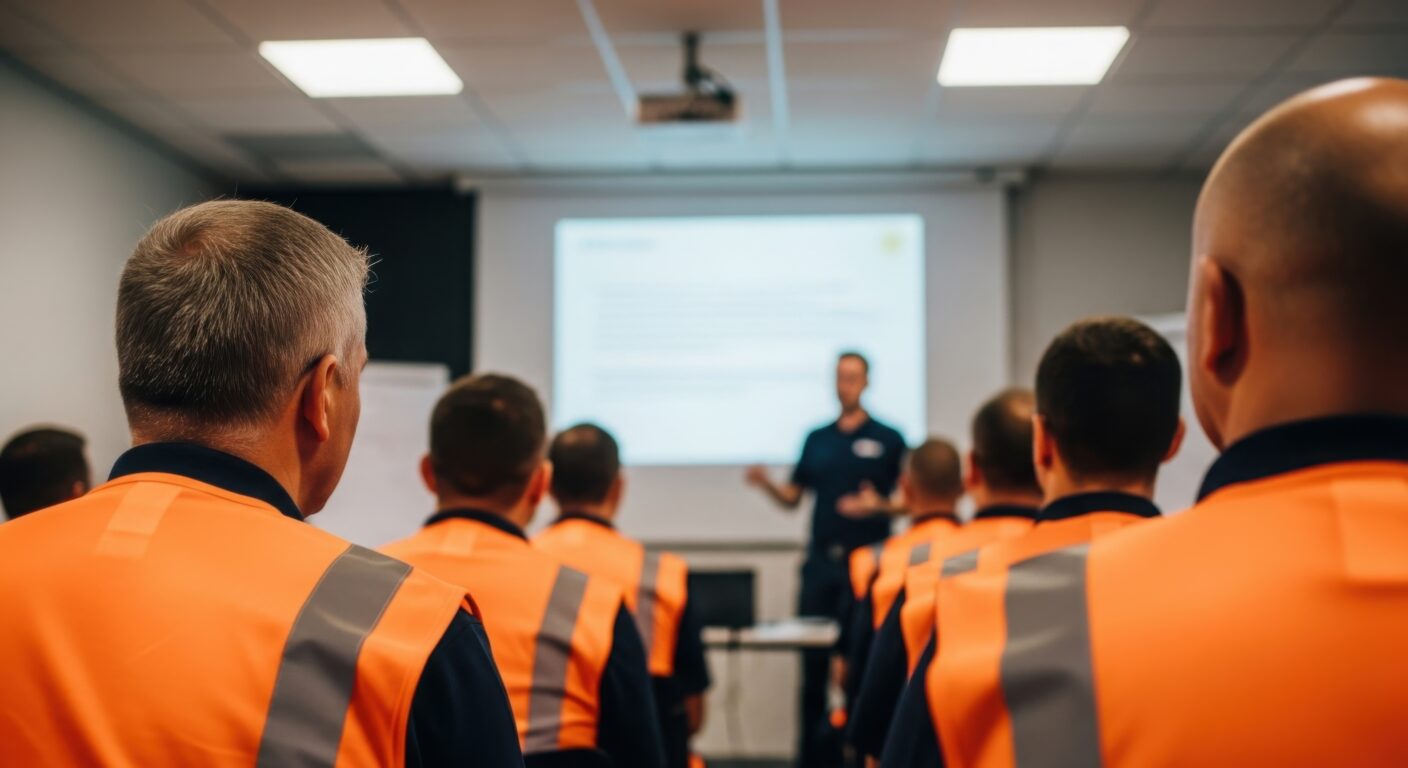
Why Onboarding Is Harder Than It Used to Be
Not long ago, fiber teams were smaller and grew at a pace that allowed knowledge to transfer naturally. A new hire would work alongside experienced staff, pick things up over time, and be fully functional before the team needed to lean on them heavily. That model worked because there was time for it.
That time is gone for most organizations. Teams are expanding faster, experienced staff are carrying more, and the expectation for new hires to contribute has moved up significantly. The knowledge gap that used to close gradually over a year now has to close in weeks.
Then there’s the software. Modern network management platforms are capable, but they are not something you figure out in an afternoon. Learning CrescentLink while simultaneously learning how fiber networks are designed, documented, and operated is a real ask. Most new hires are doing both at once, with limited runway to get it right.
What Good Training Actually Looks Like
The organizations handling this well aren’t doing anything exotic. They’ve just made a few deliberate decisions that most teams haven’t gotten around to yet.
They treat onboarding as a process, not an event. Instead of sitting a new hire next to someone experienced and hoping knowledge transfers, they have a defined path. New staff know what they’re learning, in what order, and what’s expected of them at each stage. That structure alone removes a significant amount of friction from the first few months.
They keep industry knowledge and platform knowledge separate. Knowing how fiber networks are designed, documented, and operated is a different skill than knowing how to work inside a network management platform. Both matter. But trying to teach them simultaneously tends to slow both down. Teams that address them in sequence build competence faster and with less confusion.
They treat training as ongoing, not one-time. Your network will look different in two years than it does today. The tools will have evolved. The workflows will have changed. New hires who got solid onboarding but nothing after that end up with gaps that compound over time. The teams that stay sharp are the ones that keep investing after the first ninety days.
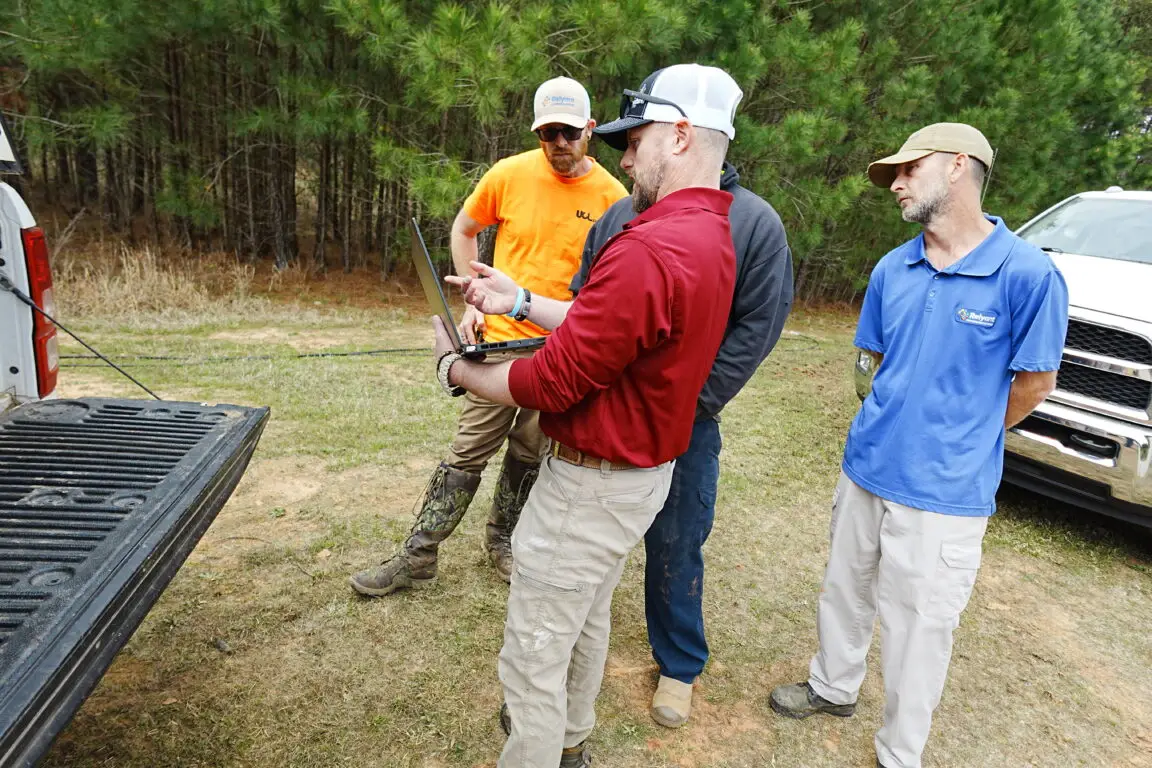
Why We Built GEOGRAPH Academy
The challenges above are exactly what GEOGRAPH Academy was designed to address, specifically the software side of the equation. Academy is a structured, self-paced learning platform that takes new CrescentLink users through the platform systematically, from introduction to ArcGIS Pro and CrescentLink fundamentals through work order management, fiber cable management, splice points, outage troubleshooting, and more. Each lesson builds on the previous one, so there’s a logical progression rather than a pile of disconnected tutorials to sort through on your own.
For managers, the bigger value is consistency. Right now your new hires’ onboarding experience probably depends on which senior person had bandwidth to help them that week. Academy standardizes the platform side of that. Everyone covers the same fundamentals. Everyone starts from the same foundation inside CrescentLink.
Coupled with industry certification programs like the Fiber Broadband Association’s Fiber Network Operator certification and their Certified Fiber to the Home Professional credential, new hires have a real path forward on both fronts. Platform proficiency through Academy. Broader industry knowledge through programs built specifically to establish that foundation. Together they give your team something most organizations are still trying to piece together informally.
GEOGRAPH User Conference: Learn How Other Teams Are Doing It
Every organization growing a fiber team right now is working through the same questions. How do you get new people productive without burning out your experienced staff? What does a training program actually look like when you’re hiring faster than you can onboard? How are other teams structuring this?
Those answers exist. They’re just sitting inside other organizations doing exactly what you’re doing.
UC 2026 is where that conversation happens. Two days with fiber network leaders who are building and scaling their teams in real time, comparing what’s working, what isn’t, and what they wish they’d done differently. This year’s customer panel puts that front and center, and it’s the kind of session that tends to send people home with two or three things they’re implementing the following Monday.
Bring your new team members too. There’s real value in putting them in a room full of people who have been doing this work for years and letting some of that rub off in a setting that’s a little more intentional than a hallway conversation.
UC 2026 is August 18 and 19 at the AC Hotel in Greenville, SC.